Daniella Meroz
Curator: Sharon Balaban
09.07.26 - 18.09.26
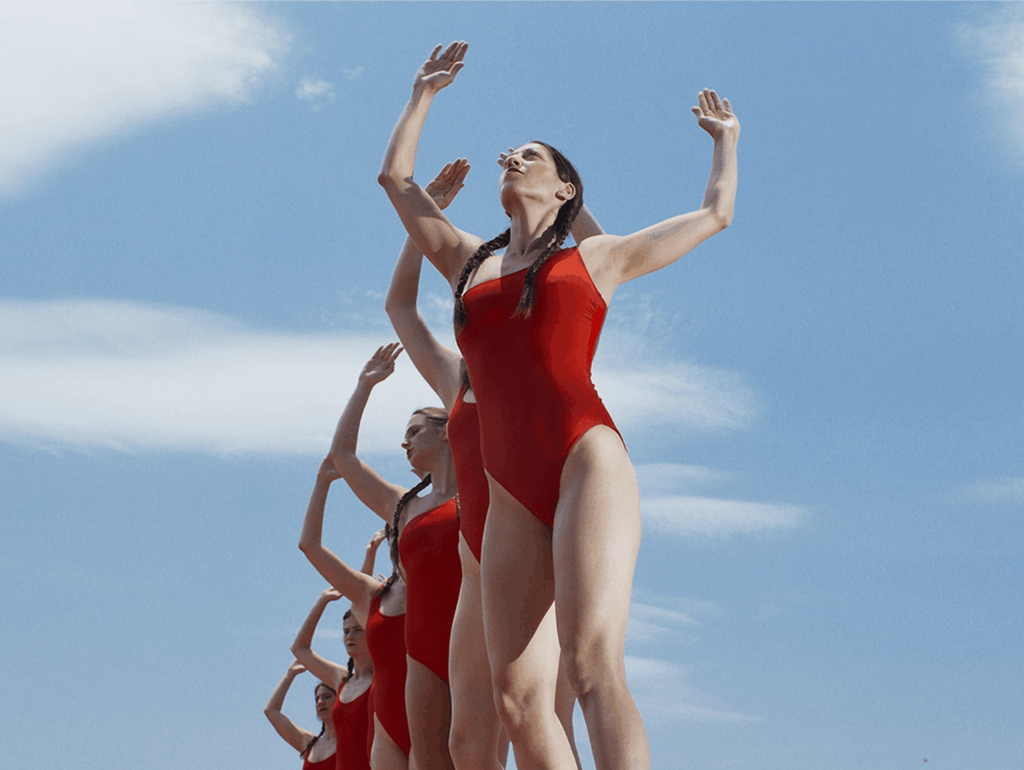
A sculptural video installation by Daniella Meroz transforms the spaces of Mamuta into a grotesque gymboree, characterized by exaggerated and distorted playfulness and ritualism. The exhibition’s title, Hole in the Heart, touches on the experience of rupture and absence on an intimate level, while also echoing a collective experience. Play and sport are perceived as universal arenas, yet they are deeply embedded in national narratives. Similarly, Meroz’s work moves between the local and the universal, between the private and the public, between the individual body and the group.
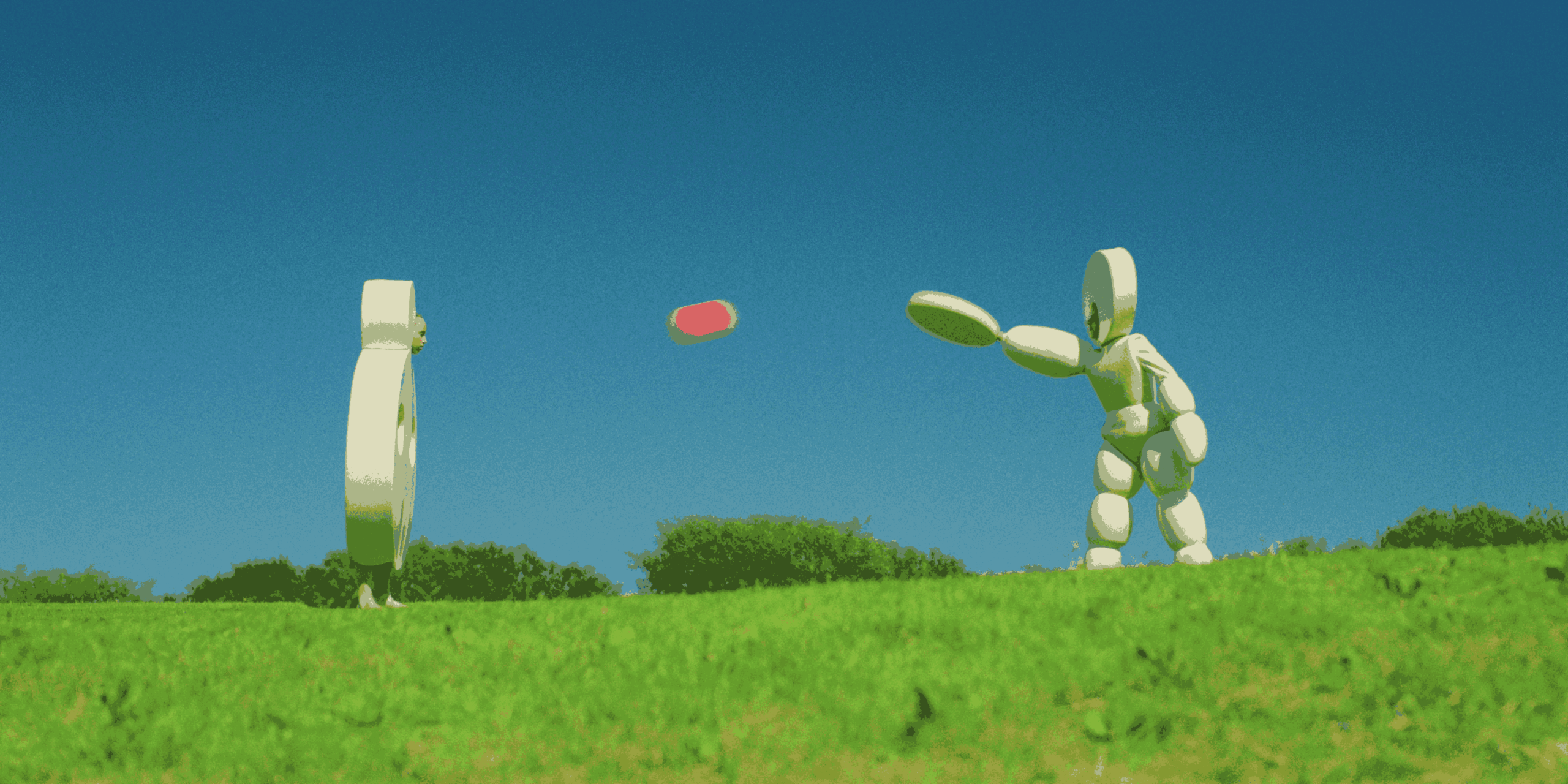
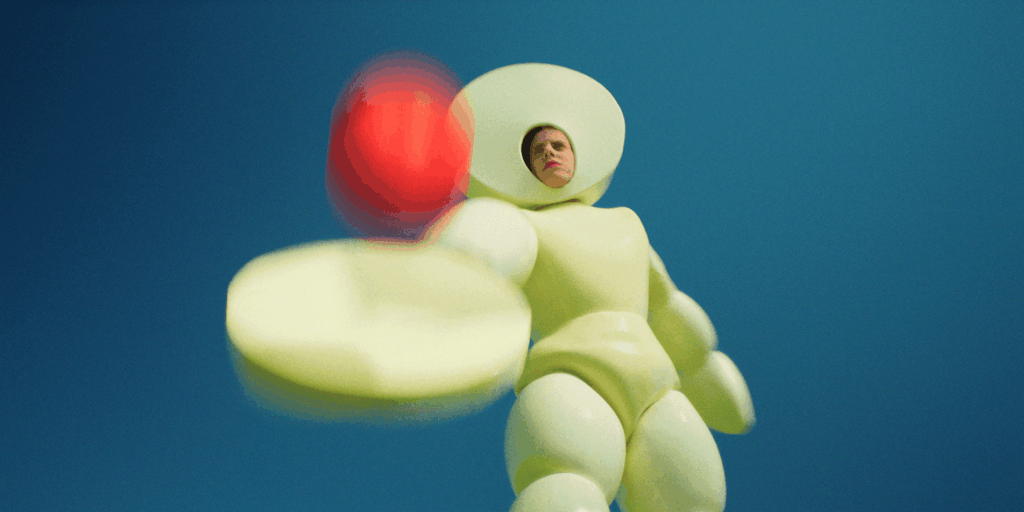
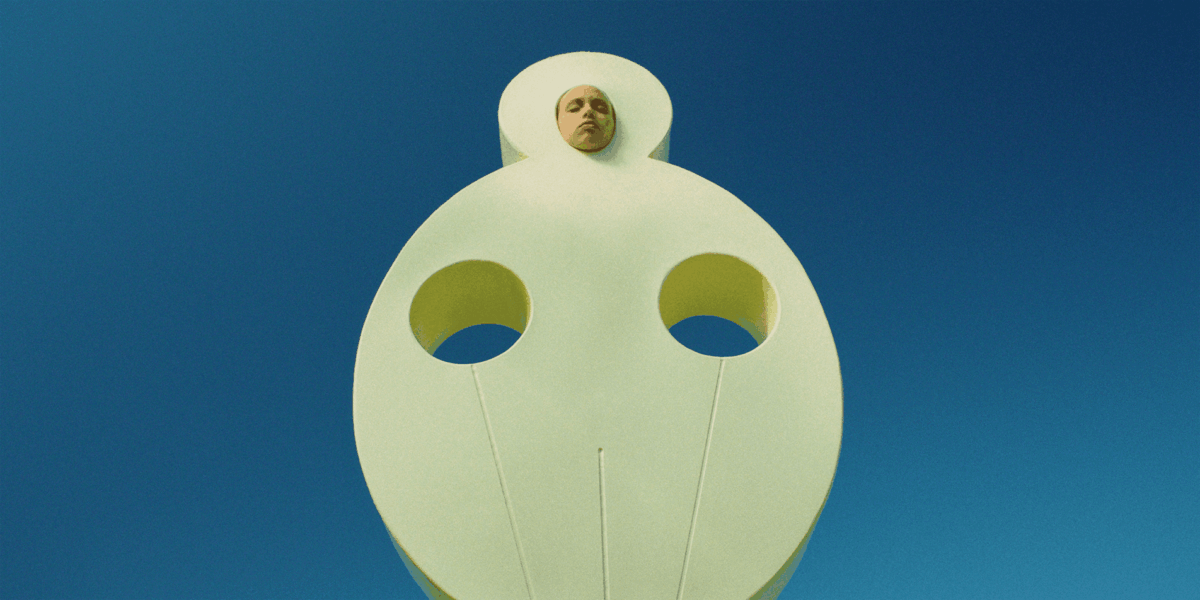
Meroz’s works are characterized by a strong presence of enlarged and voluminous bodies and objects, with the motif of the hole serving as a central formal and conceptual element. The hole is an empty space that appears in each of the objects – sometimes expressed as an absent face, and sometimes as an opening in the area of the heart. This is not merely a design detail, but a recurring presence throughout the exhibition that connects the body to memory and emotional experience.
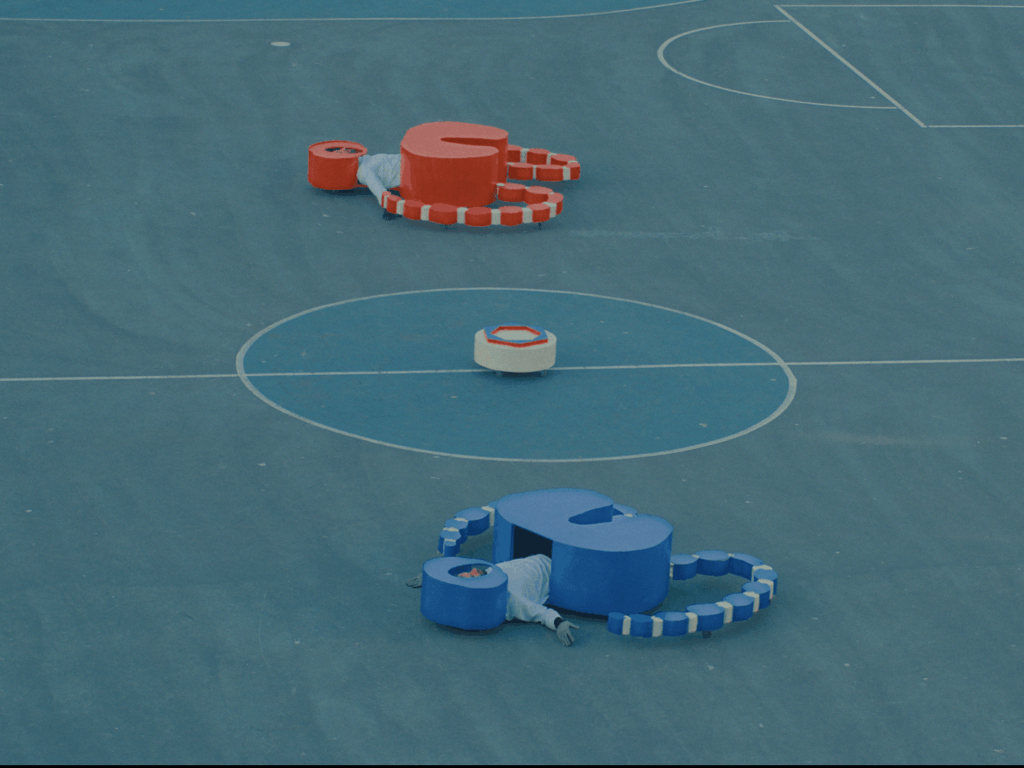
Sports competitions and games are perceived as spaces of amusement and leisure, but in practice, throughout history they have enabled a space in which social ideals were formulated. Sport presented models of power, discipline, control, and beauty, and converted violence and aggression into measured action. In her work, Meroz brings together the gymnasium and the stadium, the aesthetics of the ancient Olympic Games – the cradle of democracy – and the sporting spectacle parades of fascist regimes. In doing so, she continues an artistic tradition directly influenced by Bauhaus ideas and the attempt to examine the relationships between human beings and their environment through art, design, and architecture. Like the Bauhaus artists, Meroz regards the body not as an isolated entity but as part of a broader system of spatial and social relations.
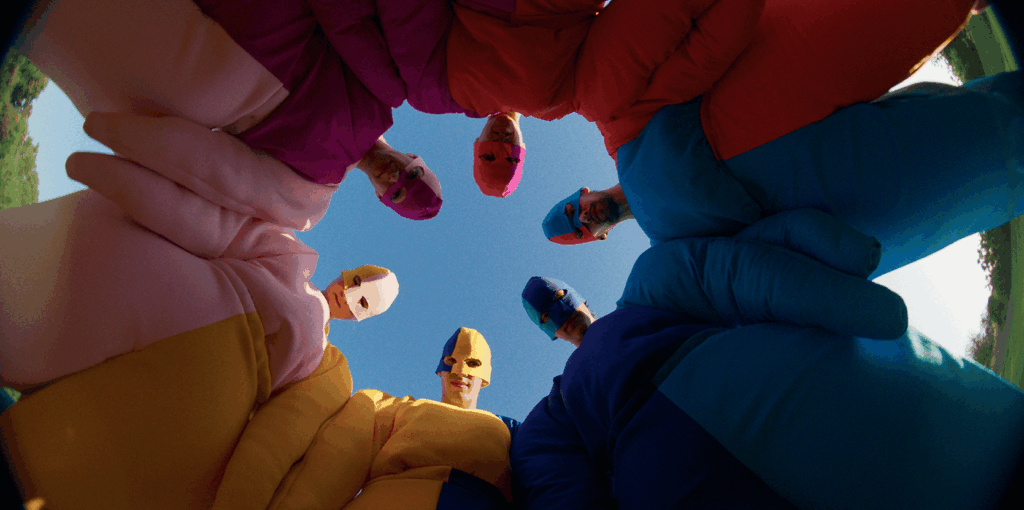
Meroz’s video works are imbued with color and formal sensuality. The figures are simultaneously toned and flabby, playing, wrestling, and competing with one another. Meroz breaks through the boundaries of the body and blurs its physical and gendered structure through “body masks” – exaggerated coverings that elongate and distort basic body forms. Body parts become cylinders and inflated spheres. The mummified body, whose movement is restricted, operates within defined and marked spaces -tracks, courts, and playing fields. The actions themselves are reduced to absurd, repetitive task-like movements between lines and boundaries.
In the exhibition, Meroz brings together two social visions: on one hand, a body of works examining cultural and social performances centered on competitiveness, achievement, and the glorification of power; on the other, the underground space of the Lepers Hospital, a site built for care, tenderness, community, and concern for the vulnerable in mind.
Within the protected space of the Lepers Hospital, between rigid stone walls and ancient arches, Meroz sculpts in soft foam. Giant figures and mattress fragments arranged in modular formations fill the space. The tension between softness and stone, between the building’s arches and the rounded foam forms, transforms the entire space into a site for reflecting on games, competitions, and the mechanisms through which society shapes itself—between power and compassion, between play and war.
Mamuta Art and Research Center
Artistic Director: Lea Mauas | Project Manager: Or Mai | Space Manager and Production Assistant: Or Aloni | Installation: Eitan Haviv, Itamar Mevorach | Lighting: Eitan Haviv | Hebrew Editing: Ronit Rosenthal | Arabic Translation: Anwar Ben Badis | English Editing: Judith Appleton | Graphic Design: Studio The League
The exhibition was created within the framework of and in collaboration with Design Week. Supported by the Ministry of Culture and The Jerusalem Municipality.
ثُقوبٌ في القُلوبْ | دانيِيلّا ماروز
القَيِّمِة: شارون بالابان
مركز معموتا للفنون والأبحاث
يُحوّل عمل فنيّ فيديو نحتيّ للفنانة دانييلا ماروز مساحات “معموتا” إلى ما يشبه “جيمبوري” غريبًا، يتّسم بالمرح والطقوس المبالغ فيها والمشوّهة. يُلامِس عنوان المعرض – “ثقوب في القلوب” – تجربة الانكسار والفقدان على مستوى شخصي، ولكنه يعكس أيضًا تجربة جماعية. يُنظر إلى اللعب والرياضة على أنهما فضاءان عالميان، ولكنهما يحملان أيضًا دلالات وطنية. ومثلهما، يتنقل عمل ماروز بين المحلي والعالمي، بين الخاص والعام، بين الفرد والجماعة.
تتميز أعمال ماروز بحضور قوي للأجسام والأشياء المتضخمة والكاملة، حيث يمثل مفهوم الثقب عنصرًا أساسيًا من الناحية الشكلية والمفاهيمية. إن الثقب هو فراغ يظهر في كل قطعة من القطع. يتجلى أحيانًا في غياب الوجه، وأحيانًا أخرى في فتحة في منطقة القلب. هذا ليس مجرد تفصيل تصميمي، بل هو حضور يتكرر في جميع أنحاء المعرض، ويربط الجسد بالذاكرة والتجربة العاطفية.
يُنظر إلى الرياضة والألعاب على أنها مساحات للترفيه والاستجمام، لكنها في الواقع، وعلى مر التاريخ، وفرت فضاءً لبلورة المُثل الاجتماعية. فقد قدمت الرياضة نماذج للقوة والانضباط والسيطرة والجمال، وحوّلت العنف والعدوان إلى أفعال محسوبة. في أعمالها، تجمع ماروز بين صالة الألعاب الرياضية والاستاد، وجماليات الألعاب الأولمبية في العصور القديمة، مهد الديمقراطية، والاستعراضات الرياضية للأنظمة الفاشية. وبذلك، تُواصل تقليدًا فنيًا تأثر بشكل مباشر بأفكار مدرسة باوهاوس ومحاولة دراسة العلاقة بين الإنسان وبيئته من خلال الفن والتصميم والعمارة. ومثل فناني باوهاوس، لا تتعامل ماروز مع الجسد ككيان معزول، بل كجزء من مجموعة واسعة من العلاقات المكانية والاجتماعية.
تتميز أعمال الفيديو بألوانها الغنية وشكلها الحسي. تبدو الشخصيات في آنٍ واحد رشيقة ومرنة، تلعب وتتصارع وتتنافس. تتجاوز ماروز حدود الجسد ويُطمس بنيته الجسدية والجنسية من خلال “أقنعة الجسد”: أغلفة مُبالغ فيها تُطيل وتُشوه أشكال الجسم الأساسية. تتحول أجزاء الجسم إلى أسطوانات وكرات مُنتفخة. يتحرك الجسد المُحنّط، ذو الحركة المحدودة، في مساحات مُحددة وواضحة: مسارات، وملاعب، وَحَلَبات. أما الأفعال نفسها فتُختزل إلى مهمة سخيفة وتكرار بين الخطوط والحدود.
تجمع ماروز في المعرض بين رؤيتين اجتماعيتين: من جهة، مجموعة من الأعمال التي تدرس العروض الثقافية والاجتماعية التي تتمحور حول التنافس والإنجاز وتمجيد السلطة؛ ومن جهة أخرى، المساحة تحت الأرض لدار المجذومين، وهو موقع تم بناؤه بعناية وحنان، واهتمام بالضعفاء.
داخل المساحة المحمية لدار المجذومين، تُقدم ماروز عملًا فنيًا تركيبيًا عبارة عن فيديو نحتي، يحوّل قبو الدار إلى ساحة لعب وصالة ألعاب رياضية غريبة. بين الجدران الحجرية الصلبة والأقواس العتيقة، تنحت ميروز باستخدام إسفنج ناعم. تُرتّب دمى عملاقة وأجزاء من مراتب في مجموعات معيارية تملأ المكان. يُحوّل التوتر بين النعومة والحجر، بين أقواس المبنى والمنحنيات الإسفنجية، المساحة بأكملها إلى ساحة لمراقبة الألعاب والمنافسات والآليات التي يُشكّل المجتمع من خلالها نفسه – بين القوة والرحمة، بين اللعب والحرب.
مركز معموتا للفنون والأبحاث | المديرة الفنية: ليئا ماوْس | مديرة البرامج والمشاريع: أور ماي | المسؤول عن الحيز الفني والإنتاج: أور ألوني | الإنشاء: إيتان حبيب وإيتمار مبوراخ | الإضاءة: إيتان حبيب | التحرير اللغوي: رونيت روزنطال | الترجمة للعربية: أنور بن باديس أنصار | التحرير اللغوي للإنجليزية: جوديت أفلاطون | تصميم جرافيك: ستوديو هليجا
تم إنشاء المعرض في إطار أسبوع التصميم وبالتعاون معه.
بدعم من دائرة الثقافة في بلدية القدس